
Immobility: Realty is naturally stable. This fixed positioning is an essential factor in figuring out a residential or commercial property's worth and usability. Due to this immobility, each piece of land is distinctively affected by its surrounding environment and availability to services.

Indestructibility: It is considered unbreakable, as land remains a constant asset regardless of external changes. This stability makes genuine estate a trustworthy investment alternative in time.
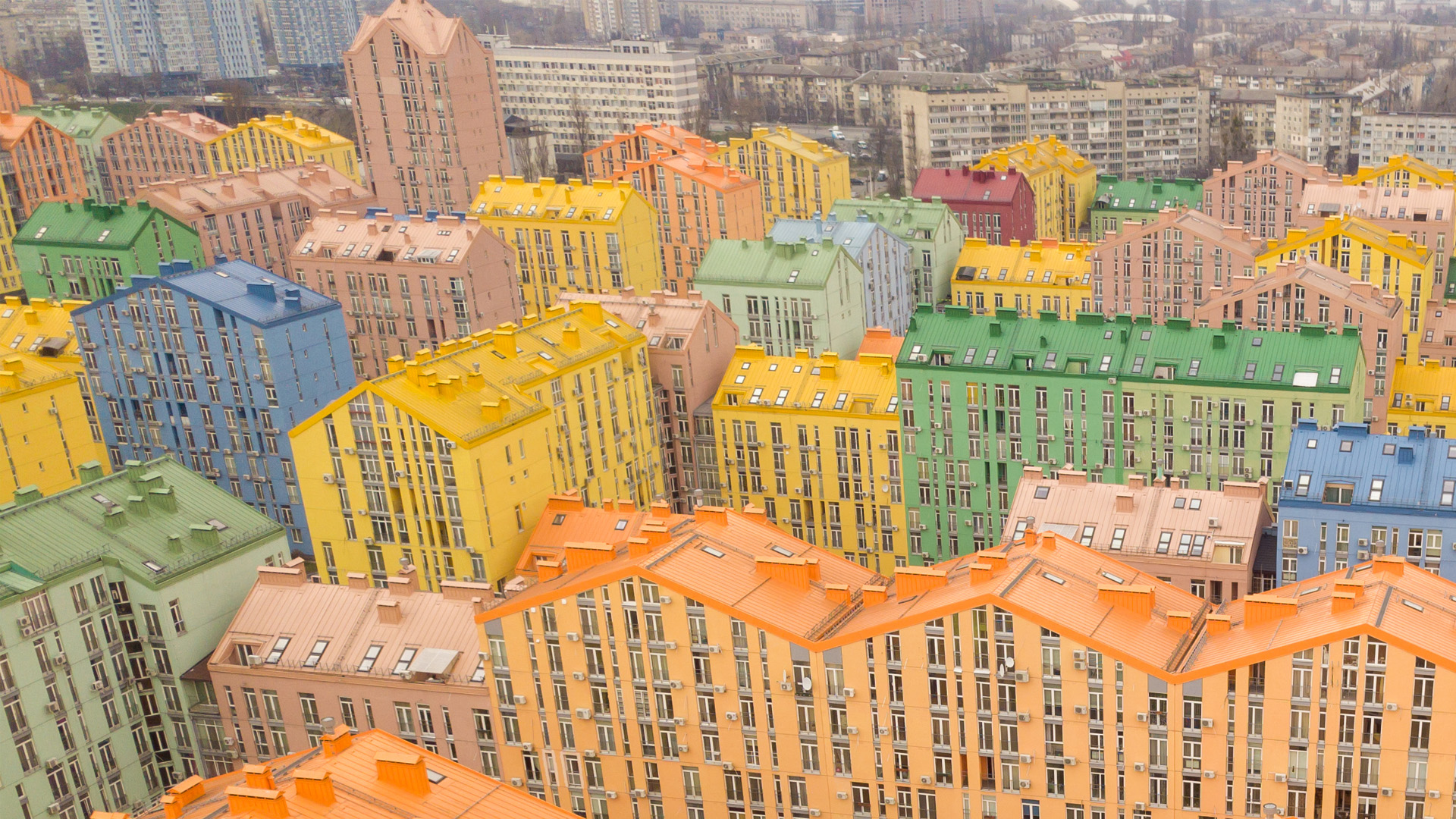
Uniqueness: Every parcel is special in its particular area and attributes, even if neighbouring residential or commercial properties appear similar. Referred to as 'non-homogeneity', this individuality means each residential or commercial property holds unique advantages.
Economic Characteristics
<iframe width="640" height="360" src="//www.youtube.com/embed/7g6u9RtKHoc" frameborder="0" allowfullscreen style="float:left;padding:10px 10px 10px 0px;border:0px;"></iframe>
Scarcity: Despite the vast area of land worldwide, high-quality land in prime places is limited. This shortage of preferable locations results in high demand, making specific locations significantly more important.
Improvements: Enhancements such as construction, landscaping, or infrastructure can increase the worth and energy of a residential or commercial property. These improvements impact the residential or commercial property itself, and often enhance the worth of surrounding locations.
Permanence of Investment: The capital took into these improvements is often recovered in time, making real estate an irreversible investment compared to other possession types.
Location: It is probably the most vital economic quality. People's choices for ease of access, features, and lifestyle considerably affect prices in specific locations.
Read More: What is Luxury Real Estate and how to Invest in it?
Examples of Real Estate
Realty is a category of residential or commercial property that include both unimproved land and improvements such as structures, devices, roadways, and utility networks. Residential or commercial property rights grant ownership of the land, enhancements, and natural deposits like minerals, plants, animals, water, and so on.
Why Understanding Property is necessary in India
Real estate is an important part of India's economy, influencing both personal wealth production and national development. With rapid urbanisation, flourishing population, and increasing need for domestic & business spaces, genuine estate provides significant opportunities for investment and development.
Be it property, commercial, industrial, or special-purpose, understanding the types empowers you to take informed decisions - whether you are seeking to invest, buy a home, or expand a company. Additionally, it plays an essential role in job development, infrastructure development, and economic stability.
The sector's growth drives secondary markets, supports government profits through taxes, and contributes to city preparation. Thus, it is important to understand market characteristics, legal considerations, and residential or commercial property attributes to guarantee that your financial investment method is sound - especially in a complex and varied market like India.
How Does The Realty Industry Work?
The property values tend to increase, making the property sector effective. This further advantages people as they are able to earn a profit by buying and selling residential or commercial properties. By using a service to individuals involved in a realty transaction, representatives, and brokers make from a share of this profits.
The commission that property representatives charge for their services is often paid as a percentage of the final market price of the residential or commercial property. Only when an offer is finished is this commission paid out, which is shared between the buyer's and seller's agents.
What is Real Estate Business?
Realty business suggests purchasing, selling, or leasing real estate (land, structures, or dwellings) is understood as realty business. India's realty market is quickly climbing up the ranks to turn into one of the finest to run an organization in. The recent rise in need for organization area as well as both urban and semi-urban housing is another element adding to the real estate market's expansion. Property is the second-largest employer in India, and it is a popular investment choice even for Non-Resident Indians (NRIs).
What is Real Estate Investment?
Investment realty is defined as residential or commercial property that is intended to be an investment rather than an irreversible dwelling. It's typical for financiers to own numerous pieces of realty, among which is made use of as a main residence and the others to make cash by means of rentals and cost gratitude. Property used for financial investment functions frequently has various tax consequences than realty utilized for property functions.
What is RERA in Real Estate?
RERA or the Real Estate Regulatory Authority came into existence with the intention of safeguarding homebuyers and promoting genuine estate investments. The Upper House (Rajya Sabha) of the Indian Parliament passed the expense enacting this Act on March 10, 2016. The RERA Act ended up being operative on 1st May 2017.
RERA Ensures the Following
Security: In line with the RERA guideline, a separate account must hold a minimum of 70% of the cash from investors and purchasers. Then, the contractors will just be permitted access to this cash for expenses connected with building and land. Developers and contractors are not enabled to request an advance payment of more than 10% of the residential or commercial property's expense before the selling arrangement is concluded.
Transparency: The initial documents for each task a contractor takes on must be supplied. Builders may not change the strategies without the buyer's approval.
Fairness: RERA has now advised designers to set home prices based upon carpet area instead of strongly populated area. If the job is postponed, buyers can select to receive their entire investment back or pick to keep investing and get interest each month.
Quality: Any issues need to be fixed by the builder within 5 years of the purchaser's purchase. This matter will be handled within thirty (30) days of receipt of the problem.
Authorization: A regulator has to sign up with the regulator before they might promote, sell, develop, invest, or reserve a plot. Each investment-related advertisement should be registered and consist of a special registration number for the pertinent RERA job.
Realty in India is a diverse industry that considerably affects the nation's economy, infrastructure, and lifestyle. Understanding the realty meaning, attributes, and types is essential for both private investors and services seeking to take informed, tactical decisions.
With sectors varying from residential and commercial to industrial, raw land, and special-purpose residential or commercial properties, this domain provides varied investment chances and supports economic growth, task production, and metropolitan development.
As India continues to urbanise and expand, property will stay an essential driver in shaping the nation's future - enhancing both financial stability and community well-being.
FAQs

1. What are the four types of real estate?
The four kinds of real estate are residential, business, industrial, and raw land.
2. What are the 5 principles of property?
The 5 principles of realty are studying the location, performing deep research study, investing for the long term, comprehending your monetary capacity, and diversifying financial investments.
3. How many types of estates are there?
There are 2 types of estates: freehold (permanent ownership) and leasehold (ownership for a set period).
4. What are the 7 attributes of real estate?
The 7 attributes of property are individuality (every residential or commercial property is distinct), immobility (realty is repaired in terms of location), durability (residential or commercial properties have long lifespans), scarcity (minimal supply adds value), liquidity (property can be offered & transformed to money), location significance (value heavily depends upon location), and impact of government policies (zoning, taxes, & policies impact residential or commercial property value).
5. What are the 4 pillars of realty?
The 4 pillars of realty are area, timing, capital, and group.
6. What is the rule of 5 in realty?
The rule of 5 in realty is buying a residential or commercial property only if you plan to own it for at least 5 years. This enables time to offset deal expenses, ravel market variations, and gain from prospective residential or commercial property appreciation.
7. Which type of property is finest?
The very best kind of real estate depends upon specific goals and risk tolerance. Residential financial investment is safe for beginners, industrial deals higher returns, and commercial is ideal for long-term growth.
8. What is the most popular kind of property?
<iframe width="640" height="360" src="//www.youtube.com/embed/MydvBffIcfs" frameborder="0" allowfullscreen style="float:left;padding:10px 10px 10px 0px;border:0px;"></iframe>
The most popular kind of is property, due to constant demand for housing. Many financiers prefer it for steady returns and familiarity.














 조회 : 1






